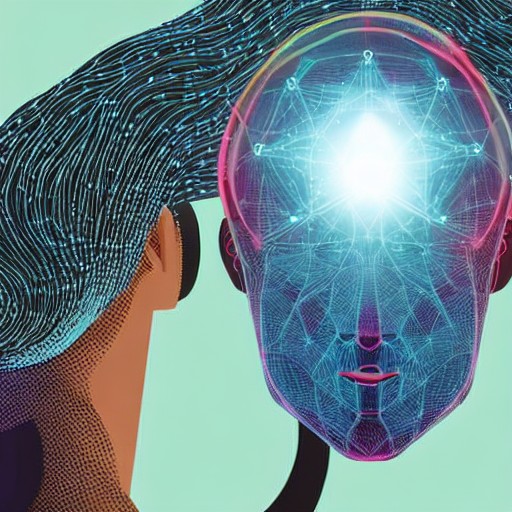
Scientists have developed an AI tool that can reconstruct images from brain scans with remarkable precision. The tool, created by Michal Irani and her team at the Weizmann Institute of Science, can predict what you’re looking at based on brain activity and even re-create the images you see in your dreams. The potential applications range from helping 'locked-in' patients communicate to better understanding how the brain works, yet it raises significant ethical concerns.
The breakthrough relies on analyzing publicly available fMRI data, which tracks blood flow in the brain. By combining data from multiple studies, the team identified brain regions associated with specific visual content. Their ‘universal brain encoder’ can now predict what someone is seeing with minimal calibration, making it an invaluable tool for neuroscientists.
However, the same technology could be used to peek into people’s minds without their consent, sparking worries about privacy and surveillance. Judy Illes, a neuroethicist, sees therapeutic potential but warns of the ethical implications. Tommy Sprague, a neuroscientist, agrees the results are impressive but raises the alarm about potential misuse.
Irani’s approach could revolutionize our understanding of the brain, but the ethical considerations are complex. As AI advances, so too do the challenges of protecting individual privacy.