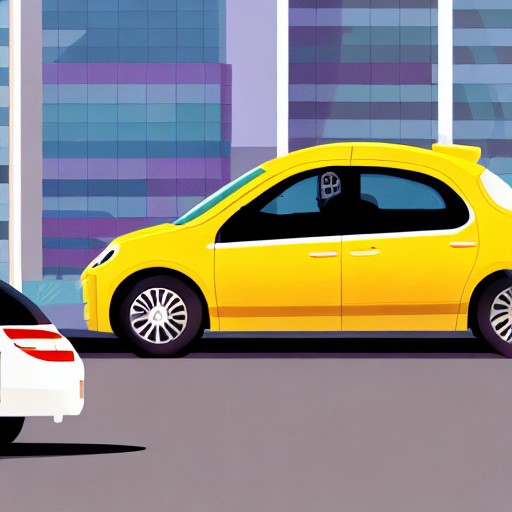
One sweltering summer day, a self-driving Waymo vehicle found itself in a peculiar situation. Local law enforcement was summoned due to a 911 call from Waymo staff who noticed suspicious activities inside the car through the vehicle's interior cameras. The passengers, two young adults, were seemingly engaging in harmless fun by shooting water-filled Orbeez out of a black handgun. The incident sparked a broader conversation about the surveillance systems in self-driving cars and their privacy implications.
The cameras in self-driving cars serve multiple purposes. They help these vehicles 'see' the world around them, complemented by sensors like radar and lidar. Inside, cameras are also used to ensure passenger safety and enforce rules. However, their presence has raised questions about privacy and the extent to which companies can use the footage they capture. Waymo, for example, uses its interior cameras to identify potential violations, while other companies like Zoox and Tesla have their own policies for data collection and usage.
Despite clear statements from robotaxi companies that human staff view interior cameras only when necessary, the reality is that these cameras are always on. Waymo’s patent application describes automated systems that conduct ride checks, while Tesla’s documents mention a green indicator on the central touchscreen when the camera is activated. These features raise concerns about constant surveillance, especially when riders often agree to lengthy terms of service without fully understanding the implications.
The legal framework for this type of surveillance is still evolving. The lack of clear rules in the US leaves riders to trust that companies are handling their information responsibly. Experts like Matthew Guariglia, a senior policy analyst at the Electronic Frontier Foundation, caution that we are being 'abandoned by our lawmakers' when it comes to consumer privacy. The advice? 'Just because you’re alone in the car doesn’t mean you’re alone in the car.' This sentiment reflects the broader issue of privacy in an increasingly surveillance-driven world.