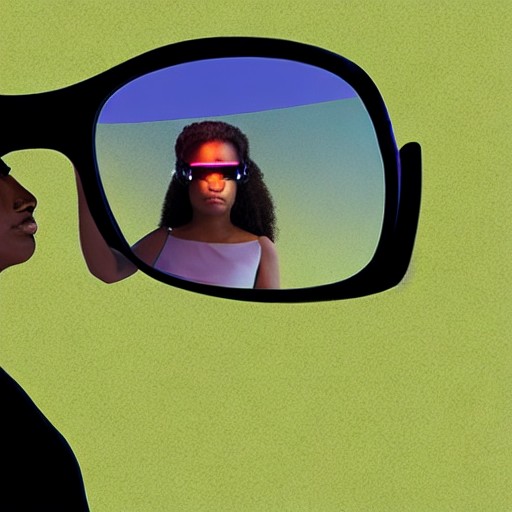
More than a decade after its infamous Google Glass debacle, the tech giant is set to release its first smart glasses in autumn. Dubbed with a more refined design by Warby Parker and Gentle Monster, these glasses come equipped with a small camera and speakers, allowing for hands-free interactions via Google’s AI, Gemini.
The glasses are part of a broader trend towards wearable technology, seen as the next frontier after smartphones. However, past privacy concerns loom large, with similar issues already surfacing among competitors like Meta's smart glasses, which have already sold seven million pairs.
Developer Shahram Izadi highlighted the glasses' potential to offer all-day assistance through spoken commands rather than visual displays, a feature that could appeal to users seeking hands-free convenience. Yet, as wearable tech advances, so too does the debate around its implications on privacy and user autonomy.
The release of Google's smart glasses signals a significant shift in how we interact with digital technology, blending the virtual seamlessly into our physical world. For startups and developers, this could open new avenues for innovation, while also raising questions about data collection and personal space.