Americans spent about 95 billion hours behind the wheel last year, traveling something like 2.76 trillion miles. General Motors aims to transform car time from purely transit into a more productive, relaxing and engaging experience. Through its new AI assistant, OnStar AI, GM hopes to make your vehicle a more central, useful part of your life than it has been historically. The system will start by letting drivers, for example, turn on their air conditioning with a voice command without navigating through a menu. Eventually, it might coordinate kid pickups and drop-offs depending on which spouse’s car is closer.
GM also plans to use AI to speed up new-vehicle development, eventually cutting its four- to five-year development time in half. The automaker aims to expand its 'eyes-off' highway driving technology to its most popular cars, inching closer to its promise of making a personal self-driving car. GM’s method is to slowly expand 'eyes-off' capabilities to more sorts of roads, letting drivers text or eat or watch YouTube first on some highways, and then on more highways, and then on local roads, and then maybe everywhere.
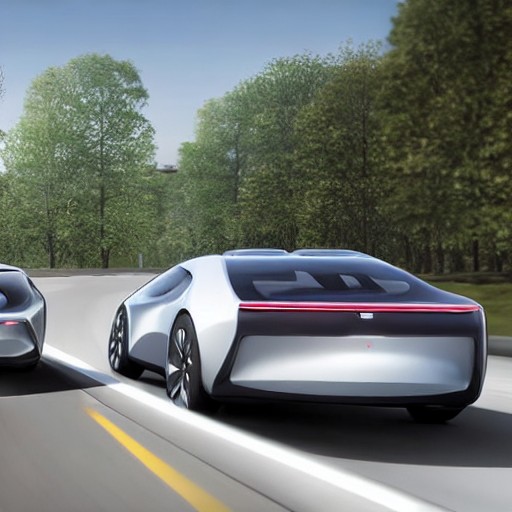
Urban planners and infrastructure experts have warned about the potential consequences of this vision. If you lower the price of a car trip, in money and time spent driving, won’t everyone send their cars out for every task? The roads might become crowded with pods full of people sleeping, emailing, and YouTubing while their vehicles slowly pilot them onward—or worse, cars with no one in them. Won’t cities become sprawlier?
Anderson counters that yes, if you have cheap, personal driving robots, you will very likely incur more of those robots on the roads. But he argues we have time, and that cities take time to sprawl. 'I wouldn’t call this an imminent thing, but it certainly is something we should be thinking about,' he says.