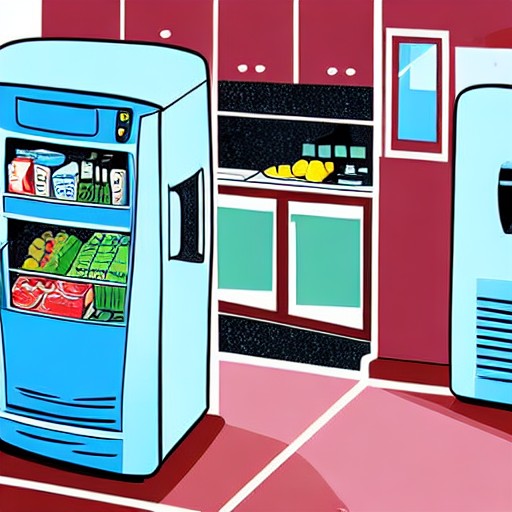
A fresh wave of cyberattacks has struck European supermarkets, this time targeting refrigerators. In a bizarre twist, hackers have been raising the temperature in store-freezers, causing millions of dollars in food losses and forcing retailers to discard spoiled goods.
The attacks, which followed similar incidents in France last month, have been linked to internet-connected refrigerators made by Danish company Danfoss. Security experts had warned about the vulnerabilities back in August, but the consequences are now painfully clear.
The repercussions extend beyond the immediate financial hit. Security researchers warn that such cyberattacks could compromise the food supply chain, highlighting the importance of robust cybersecurity measures in critical infrastructure. The incident serves as a stark reminder that even mundane household appliances can become battlegrounds in the digital war.
Amidst the frosty chaos, the U.S. Department of Defense is investigating potential hacks on military bases, suggesting that the threat goes beyond retail. Iranian hackers, already notorious for cyberattacks on U.S. water providers, are now suspected of targeting food security.
As we grapple with the implications of these attacks, it’s becoming increasingly evident that our everyday lives are now intertwined with the digital realm. The fridge may be small, but its cyber vulnerabilities could have big consequences.