Apple's latest smart home device, HomeView, is set to debut on Friday, offering a hybrid of iPhone and Apple Watch features. Designed for up to six users, it uses ambient face and voice data to switch between personal profiles, ensuring privacy. However, it eschews FaceID for a new 'person recognition' system, stored in the Secure Exclave, a dedicated memory-protected space in Apple processors. This shift highlights Apple's ongoing commitment to AI integration while raising concerns about potential vulnerabilities.
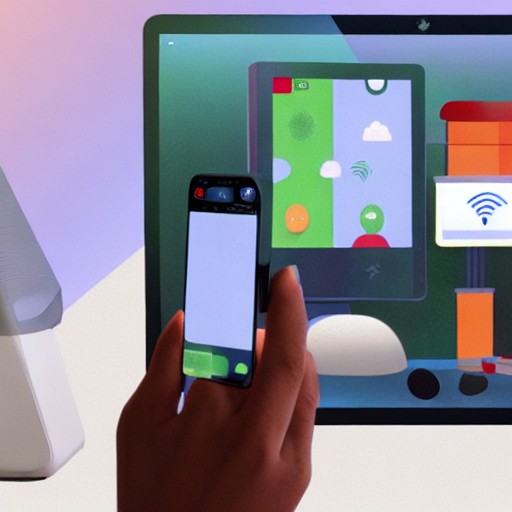
This is a significant departure for Apple, as the company has always been meticulous about security and privacy. HomeView must verify that your iPhone or iPad is on the same Wi-Fi network and recently unlocked to access your data, adding layers of security. Yet, the architecture used to process biometric data and authenticate users creates more opportunities for mistakes and potential vulnerabilities.
While HomeView's person recognition technology is not as comprehensive as FaceID, it could be more susceptible to 3D depth map and voiceprint attacks. Apple argues that the Secure Exclave strengthens the security of existing mechanisms and benefits new features, including 'Hey Siri' detection. However, HomeView’s guest mode and less involved personalized mode offer alternatives for those wary of biometric data.
The launch of HomeView provides insights into Apple's plans for future AI integration, as it moves away from tried-and-tested biometric locks like FaceID. This shift in technology could signal a broader trend in how we interact with smart devices in the future.