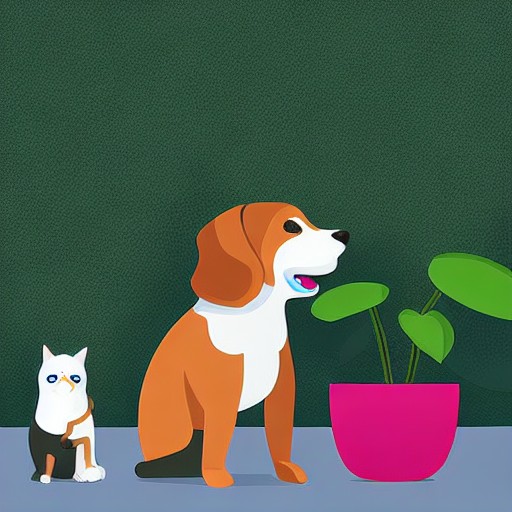
Imagine an AI Tamagotchi for your houseplants. If you forget to water them, a cute plant-shaped pet on a screen will look sad and dejected, encouraging you to water the plant. This is the concept behind OATs, or Object Agent Twins, created by Daehwa Kim, a PhD student from Carnegie Mellon's Future Interfaces Group.
Kim's project, presented at the ACM Symposium on User Interface Software and Technology, aims to bring the joy of caring for digital pets into the real world. While the tech isn't yet ready for commercial release, the web portal allows users to customize the OAT's behavior and appearance, making it adaptable to various objects.
OATs use E Ink displays and internal and external sensors to track moisture, temperature, and other variables, generating emotions based on the data. Users can attach OATs to everyday objects like skateboards, coffee machines, or 3D printers, providing visual feedback to encourage certain behaviors.
The battery life is currently short, lasting only three to four days, but the system's innovative approach to bringing AI into the physical world has sparked discussions about the future of human-computer interaction. Critics worry about anthropomorphizing AI, while advocates see potential in using these devices to encourage positive behaviors.
Kim's project is part of a broader trend in the tech industry, where companies are creating devices with physical bodies to increase user engagement. While the concept of OATs is intriguing, its practicality and impact remain to be seen.