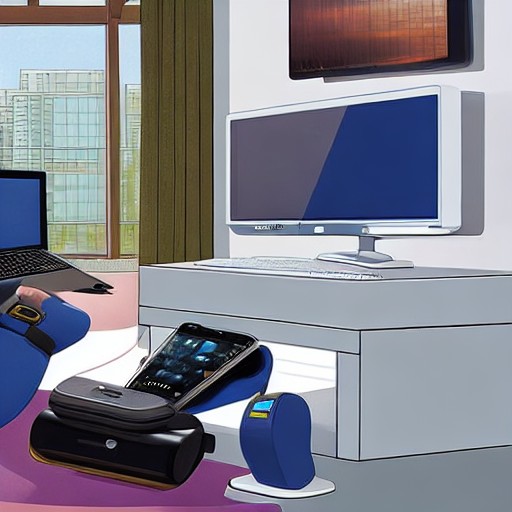
Microsoft has unveiled two cutting-edge wearable devices at its annual conference for developers. One is a small cube with a touch and voice-activated screen, designed for the desk; the other is an AI-enabled access badge meant to hang around your neck or on a belt loop.
The gadgets are part of Project Solara and could allow office workers to interact with their AI agents outside of traditional computers. Fittingly named after the solar-powered desert, these devices aim to bring technology closer than ever before.
During demonstrations, employees were shown using both devices to tap screens for connecting with AI agents, who assist in tasks like coding. The badge is lightweight and designed for on-the-go interactions, complete with a fingerprint sensor and camera capabilities that allow the device to take pictures of its surroundings.
Moving beyond just technology for the tech industry, these gadgets could change how office work is done, potentially integrating AI into even more aspects of daily life. But as Microsoft learned with its Hololens headset, wearables come with their own set of challenges and user expectations.
With Google also attempting a comeback in smart glasses after its earlier misadventures, the future of wearable tech looks bright—but perhaps not for everyone’s comfort.