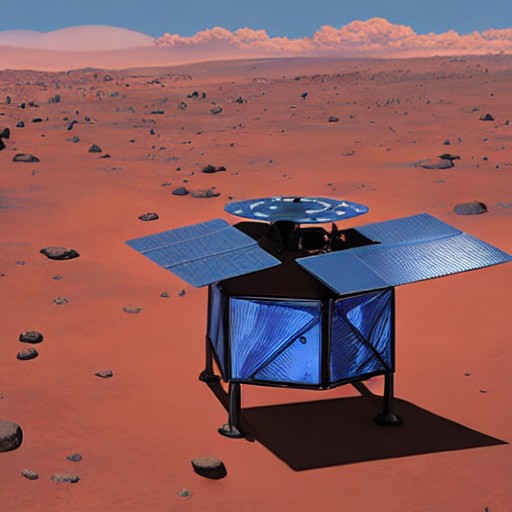
A Mars probe from Japan’s JAXA, named MMX, is set to take the first-ever samples from Phobos, one of Mars’ moons. The mission, aiming to collect at least 10 grams of lunar material, is as ambitious as it is complex, with a launch date set for October 20, 2026.
One of the key questions MMX aims to answer is the formation of Phobos and Deimos. Were they born from a giant impact or captured asteroids? The samples taken from Phobos, with its unique composition, could help settle this debate. However, the journey to and from Mars presents significant technical challenges, from the delicate landing procedures to the autonomous navigation required to ensure a safe touchdown.
Upon landing, MMX will use high-precision navigation to avoid hazardous areas and drill into the surface to collect samples. Simultaneously, a rover will conduct an independent exploration of the moon’s surface. The samples, once collected, will be returned to Earth in 2031, potentially revolutionizing our understanding of Mars and its moons.
MMX marks Japan’s first Mars mission in 28 years and serves as a testbed for new technologies. The mission’s success could pave the way for future missions to Mars and beyond, pushing the boundaries of space exploration.