It’s a girl!
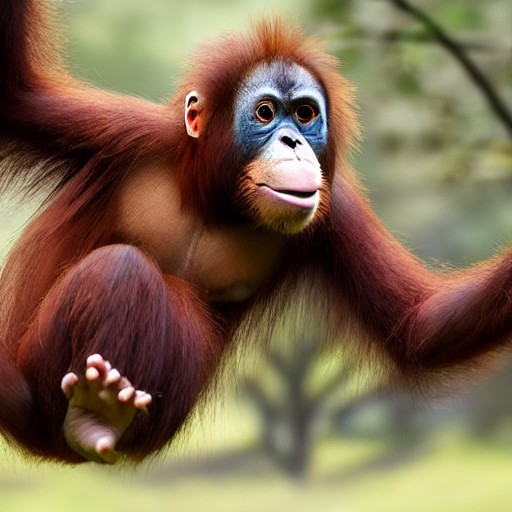
Melissa Peterson exclaims as the new baby orangutan, named Ru, is born via C-section. Eight such healthy deliveries have been recorded in US zoos since the start of 2025, marking a significant milestone for critically endangered orangutans. The meticulous breeding plan, coordinated by the Orangutan Species Survival Plan (SSP), has been in operation since 1985. Angie Selzer, a senior animal care specialist, explains that the program aims to maintain a genetically diverse and healthy population, mimicking natural wild conditions while ensuring successful rearing of offspring. Each birth is a triumph, from the Indianapolis Zoo’s Edi to the recent arrivals at the Cameron Park Zoo, Sedgwick County Zoo, and Fort Wayne Zoo.
Despite sharing 90% of their DNA with humans, orangutans are treated with human care methods during their pregnancies. C-sections are rare but necessary. Zookeepers, like Matthew Lenyo from the Denver Zoo, marvel at the parallels between humans and their orangutan charges. Training for first-time mothers is crucial, as seen with Hesty at the Denver Zoo, where she was taught to pass the baby to keepers for essential health checks. In cases where the biological mother fails to bond, keepers step in, as with Weila at the Hogle Zoo, hand-reared by keepers and later fostered by Acara.
Orangutans face a dire reality in the wild, with fewer than 12,000 Sumatran and Bornean orangutans left. Habitat destruction and illegal pet trade threaten their survival. Zoos play a vital role as ambassadors and researchers, contributing to conservation efforts in Southeast Asia. The new generation of orangutans born in captivity is a beacon of hope, not only for their species but as a testament to the potential for human conservation efforts.