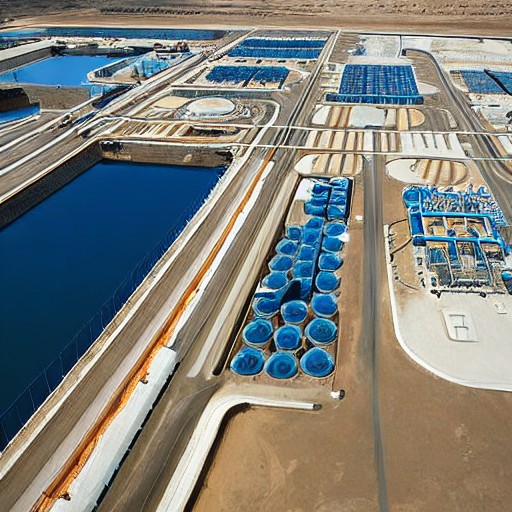
Desalination technology in the Middle East has long been a lifeline, turning salt water into fresh. However, escalating conflicts and severe weather are now posing significant risks to these crucial facilities.
The recent escalation of tensions between Iran and the United States has highlighted vulnerabilities, with both nations blaming each other for attacks on desalination plants in Iran. These facilities not only supply vital drinking water but also sustain agriculture and industry across the region.
While membrane-based technologies have become more efficient, many Gulf states remain heavily dependent on desalination. The majority of their drinking water comes from these plants, making them prime targets during conflicts. Centralized plants, each producing millions of cubic meters daily, could severely impact the system if attacked.
Rising temperatures and extreme weather driven by climate change exacerbate an already dire situation. Eighty-three percent of the Middle East is currently under extremely high water stress, expected to increase to 100% by 2050, according to experts at the World Resources Institute.