In 1906, Upton Sinclair’s The Jungle sparked the Federal Meat Inspection Act, leading to the creation of the Food Safety and Inspection Service. But by the end of the 20th century, this 100 percent testing approach was inadequate. The E. coli outbreak at Jack in the Box in 1993 reignited calls for change.
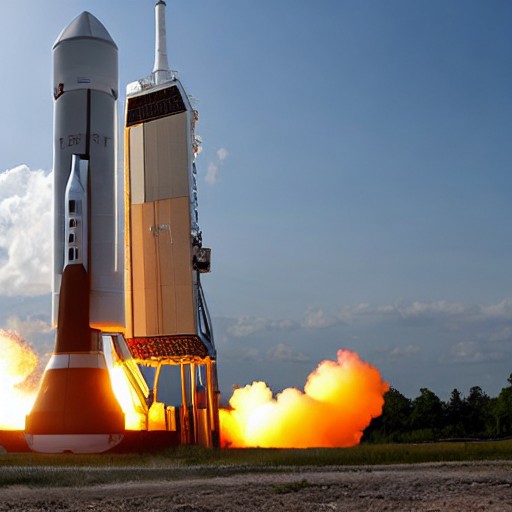
Enter NASA. In the early 1960s, as the space race heated up, the space agency faced a unique challenge: food safety in zero gravity. Paul Lachance and his team developed Hazard Analysis and Critical Control Point (HACCP), a method that focused on prevention rather than post-production testing.
HACCP’s approach was innovative. Instead of testing every bite, it identified critical control points where problems were most likely to start, and focused on those. For instance, NASA ensured that each step in the production process was meticulously controlled, from raw materials to final packaging. This method proved so effective that it has been adopted by industries worldwide, including food giants like Pillsbury.
The success of HACCP in space inspired a shift on Earth, from reactionary testing to proactive prevention. The key was identifying and managing potential hazards at every stage of the production process, ensuring that food was safe before it even left the factory. No astronaut has ever experienced food poisoning in space, a feat that may one day be emulated on our own planet.