The Ig Nobel Prizes honor the unusual and the surprising, with this year’s ceremony in Zurich celebrating ten groundbreaking yet laughable experiments. From defining a kiss to creating a urinal that doesn’t splash, these studies challenge us to see the world in a new light.
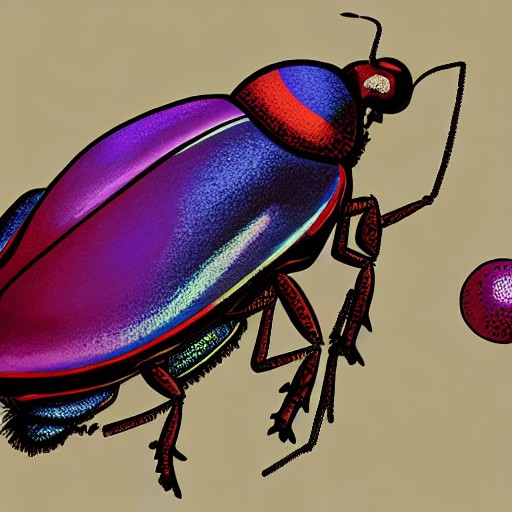
A cockroach’s milk, it turns out, is highly nutritious. Researchers have been studying the protein-packed substance produced by mother cockroaches, suggesting a future where insects could provide key nutrients. Meanwhile, Unno Tokuji’s work on how to blow your nose correctly was posthumously recognized, with the recommendation to blow one nostril at a time with force for maximum effect.
Snakes bite when stepped on, but what part of their body should you avoid? The answer, surprisingly, is the tail, with only an 11 percent chance of a bite. And if you’re looking to keep urinals splash-free, there’s a precise angle you should aim for. As for 3-D printing, dead mosquitoes can be repurposed as high-precision nozzles, showcasing the ingenuity of nature over human invention.
Other awards included a study on the changing perception of body odour as children grow older, with parents rating the smell of their teenagers much less favourably than that of their young children. The Peace Prize went to researchers who found that people prefer friends who are kind to them but cruel to their enemies, a reminder that sometimes it’s the complex human nature that matters most.
In the end, the Ig Nobel Prizes remind us that science can be both hilarious and profound, pushing the boundaries of what we know and how we live our lives.