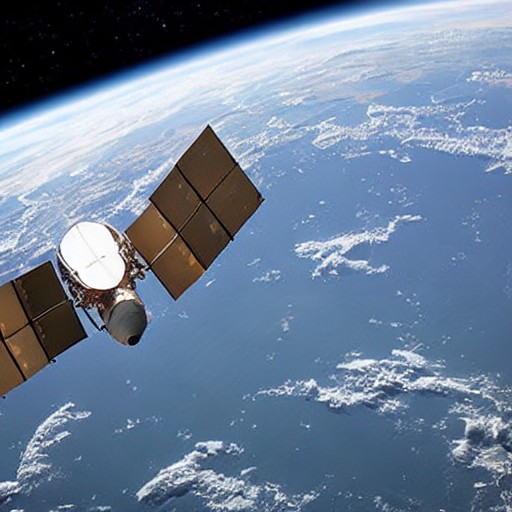
NASA’s latest attempt to salvage the Neil Gehrels Swift Observatory, a satellite that has been watching the universe for over two decades, has ended in failure. Designed to be dragged back into orbit using a rescue robot, LINK, the mission had to be abandoned due to technical issues. Now, Swift is set to re-enter Earth’s atmosphere, possibly as early as this year.
Despite the mission’s cancellation, Swift continues to provide invaluable data. Equipped with three primary telescopes, it has observed multiple wavelengths, including visible light, ultraviolet, x-rays, and gamma rays, making it an indispensable tool for recording and alerting ground teams about supernovas, gamma-ray bursts, and black holes shredding stars.
Before its retirement, the operations team plans to conduct as many observations as possible. Two out of the three telescopes have been successfully restarted, with the x-ray telescope capturing images of the Tycho supernova remnant. The Burst Alert Telescope, still powered down, is scheduled to resume operations within a few weeks.
As Swift’s altitude falls, the satellite’s ability to operate becomes increasingly challenging. Once it descends below 185 miles above Earth’s surface, its telescopes will cease to function. Researchers remain optimistic, hoping for one last glimpse of the cosmos before Swift’s final plunge.