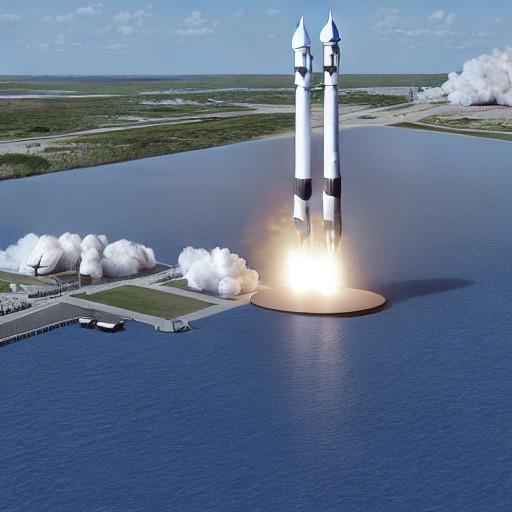
On September 22, SpaceX will attempt to launch its Starship rocket into Earth's orbit, marking a significant step in the company's ambitious plans. The test flight, scheduled for 7:15 a.m. CT, aims to deploy 26 third-generation Starlink satellites, a crucial milestone for SpaceX's launch division. If successful, this will be the first time Starship has generated revenue for SpaceX, following previous tests that only demonstrated deployment capabilities before burning up in the atmosphere.
This launch comes as SpaceX shifts focus from its Falcon 9 and Falcon Heavy rockets to Starship, with CEO Elon Musk aiming for reliable weekly launches. However, the test flight will only test the rocket's first stage, as SpaceX has scaled back ambitions for catching the upper stage or the Super Heavy booster. Further modifications to the rocket's hardware and software address issues seen in previous flights, with the upper stage of Starship making a smooth descent into the Indian Ocean post-Flight 13, allowing SpaceX to study its heat shield more closely.
The journey to orbit is fraught with challenges, but if Starship can reliably reach the stratosphere, return and be reused, it could revolutionise space travel. SpaceX's lofty promises during the IPO process hinge on the success of this launch, bringing us one step closer to a future where space exploration is more accessible and affordable.