NASA’s Nancy Grace Roman Space Telescope is set for a long-term mission, with enough fuel to last at least 22 years. The original plan estimated fuel for just five years, with a potential extension. However, the telescope’s precise launch and flawless course corrections have given it a generous fuel reserve. As Jamie Dunn, center director at NASA’s Goddard Space Flight Center, explained, ‘Roman has fuel for at least 22 years of potential science operations.’
The telescope’s mission is to expand our understanding of the universe. Its wide field of view, similar to NASA’s Hubble Space Telescope but with 100 times the field of view, will allow it to capture images at a resolution of 300 megapixels. This will enable astronomers to map galactic clusters and study the elusive force driving the acceleration of the universe, known as dark energy.
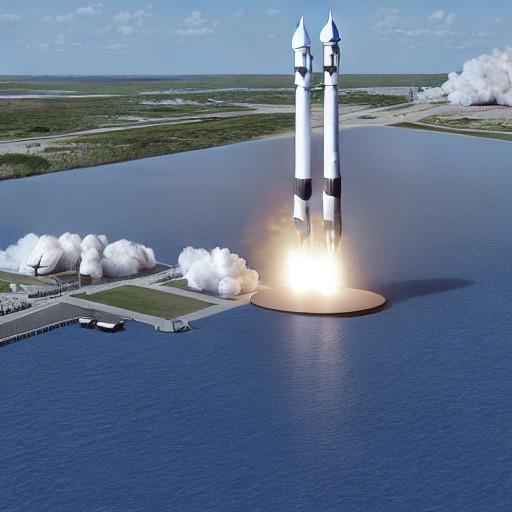
Originally planned for a five-year mission, the Roman telescope’s extended fuel supply means it could become a cornerstone of astronomical research for decades to come. The telescope’s launch on August 30 from SpaceX’s Falcon Heavy rocket marked the beginning of a mission to uncover the largest structures in the universe.
This fuel surplus is not unprecedented in space missions. The James Webb Space Telescope, launched in 2021, also received extra fuel after a successful launch. With Roman’s extensive fuel, scientists are optimistic about its potential to reveal new insights into the cosmos, potentially extending our knowledge of the universe for years to come.