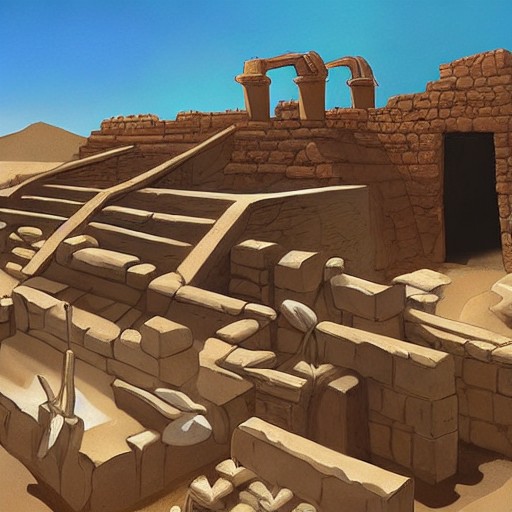
New archaeological discoveries at Tell Al-Abqain in Egypt, dating back to the New Kingdom period, reveal details about life within a military stronghold. Among the finds is a residential complex with grain storage and pottery ovens, along with a ceremonial burial of a young male horse, hinting at its significance beyond mere transportation. Inscriptions on limestone reveal the might of rulers such as Merneptah and Ramesses II, while everyday objects paint a vivid picture of life within the fortress.
The horse’s burial, complete with a harness, suggests a deliberate honorific interment, while the stelae provide insights into the political and religious structures of the time. Additional discoveries, including scarabs and amulets, add to our understanding of the community’s beliefs and daily life.
The discoveries at Tell Al-Abqain offer a more complete picture of both the military and civilian aspects of life within the fortress, shedding light on the social and daily activities of its inhabitants.