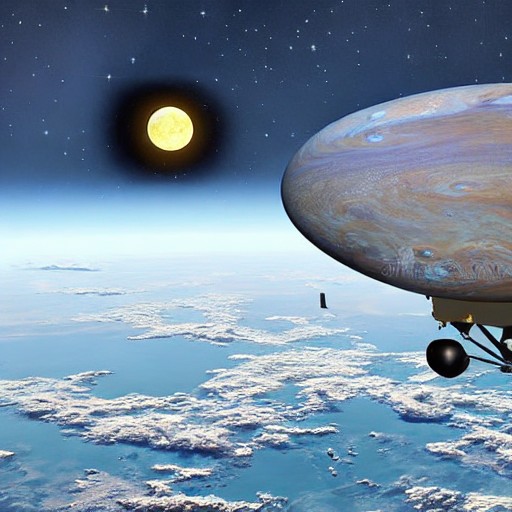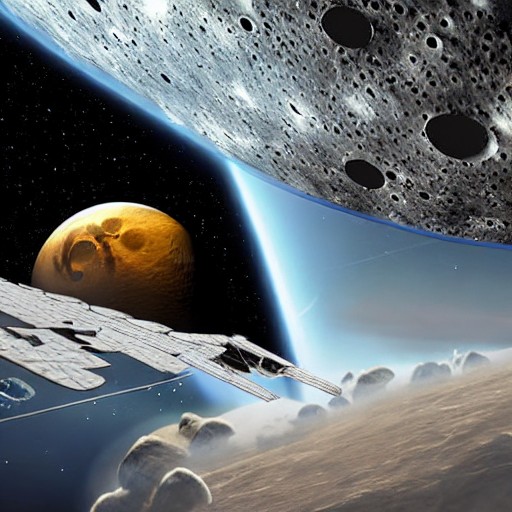
During their flyby of the far side of the moon, astronauts aboard Orion spacecraft witnessed an unusual sight: brief flashes of light, six in total, which turned out to be meteorites colliding with the lunar surface. These impacts would have likely gone unnoticed under normal conditions but were visible due to the extreme darkness brought by a solar eclipse.
According to NASA, this is not uncommon: without an atmosphere, meteorite fragments regularly impact the moon's surface. The hundreds of millions of craters on the lunar landscape bear witness to these events. However, witnessing such impacts in real-time with human eyes is rare and provides valuable data for future space exploration.
The risk of meteorites remains a significant challenge for long-term lunar habitation plans. For instance, even small objects can pose risks through punctures or equipment damage. Future suits and habitats will incorporate additional shielding to mitigate these hazards. NASA maintains that despite the recent sightings, this does not indicate an increased risk for future missions.
The Artemis II astronauts were well-prepared, trained in identifying potential meteorite impacts during their mission. Their quick recognition of the flashes is part of broader efforts to understand and prepare for such natural phenomena on the moon.