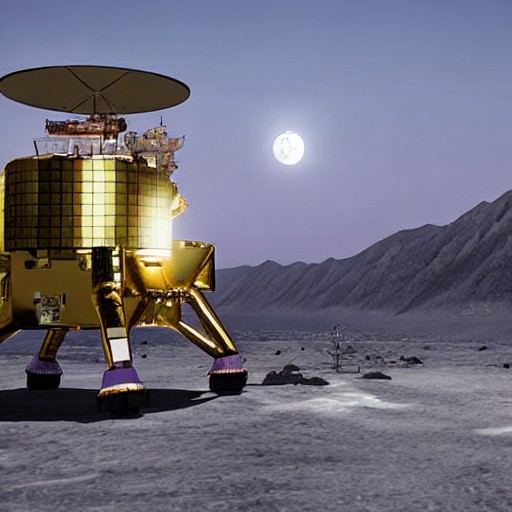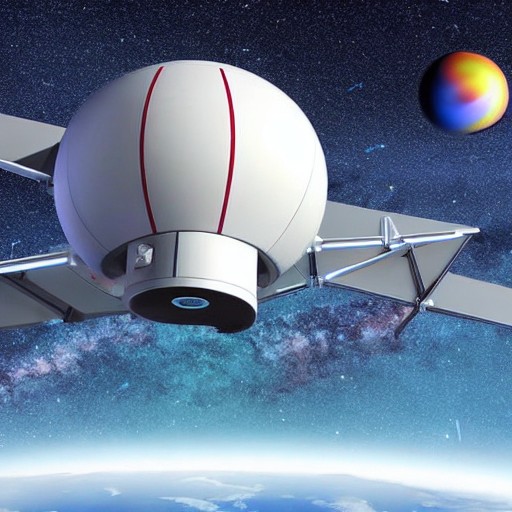
Google is taking its first step toward making Project Suncatcher a reality, launching its first experimental satellite, dubbed MVP, on October 1. The satellite, about the size of a refrigerator, will validate Google’s vision for a constellation of AI satellites, with each containing four of Google’s custom TPU AI accelerators. While the satellite will only generate enough power to run a microwave, this launch marks the start of an ambitious project to put solar-powered AI hardware in space.
According to The New York Times, the initial plan was to launch two custom satellites in 2027, but Google has accelerated its efforts by integrating its chips into a satellite already built by the satellite imagery firm Planet Labs. This lone satellite will serve as a test of several technologies and will operate for just a few months.
Elon Musk and Jeff Bezos have long touted the idea of orbital AI data centers as an alternative to terrestrial data centers, which consume vast amounts of power. Google’s AI test will launch as part of the upcoming Transporter-18 rideshare aboard a SpaceX Falcon 9 rocket, marking the beginning of a journey that could one day see networks of orbiting satellites communicating over high-speed laser connections.
MVP, with its limited power supply, is a small step, but it represents a significant shift in the realm of AI and space technology. While the initial launch may not revolutionize anything, it could be the first of many steps towards a future where AI and space fusion is the norm.