NASA’s ambitious $500 million Neil Gehrels Swift Observatory was on a collision course with Earth. Katalyst Space Technologies, with a $30 million budget and just nine months, was tasked with launching a satellite, Link, to save Swift. The plan was to capture Swift and boost it into a higher orbit, but things went awry. After a successful launch, Link spun out of control, and NASA announced the mission was aborted.
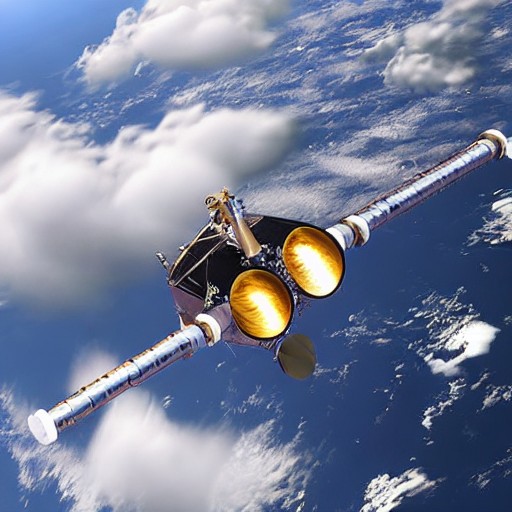
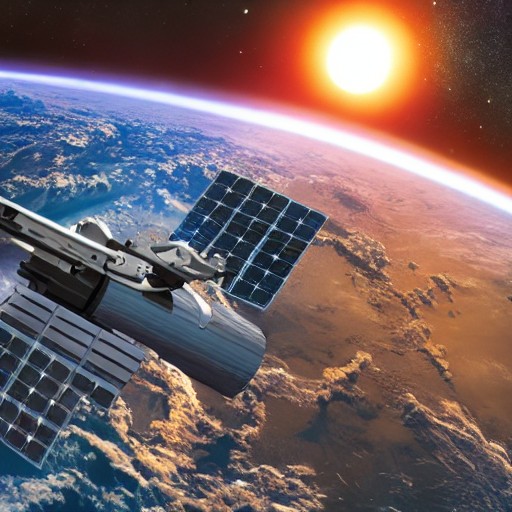
Despite the failure, designing and building a satellite, finding a rocket, and getting it to work in space was a remarkable feat. Link, weighing nearly a half-ton, packed in electric thrusters, robotic arms, and large solar arrays. This mission would usually take several years to complete, making it a significant achievement in its own right.
Swift, the observatory that famously detected gamma-ray bursts, was always going to fall out of orbit. Launched in 2004, it far outlived its original design life. Without its own propulsion system, Swift’s fate was tied to the drag of Earth’s atmosphere. Increased solar activity in recent years sped up its demise. Despite the failure, the attempt to save Swift was a testament to human ingenuity and the ongoing challenges of space exploration.