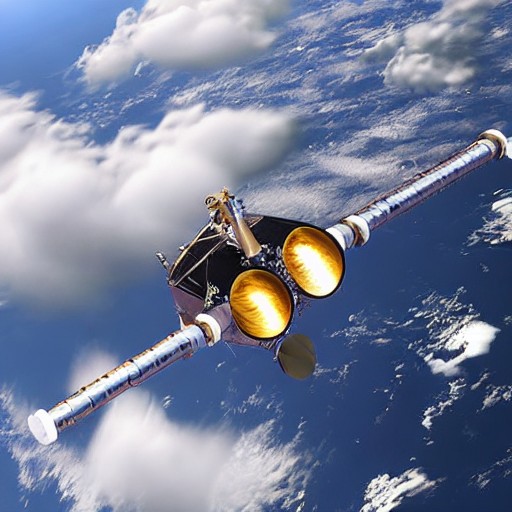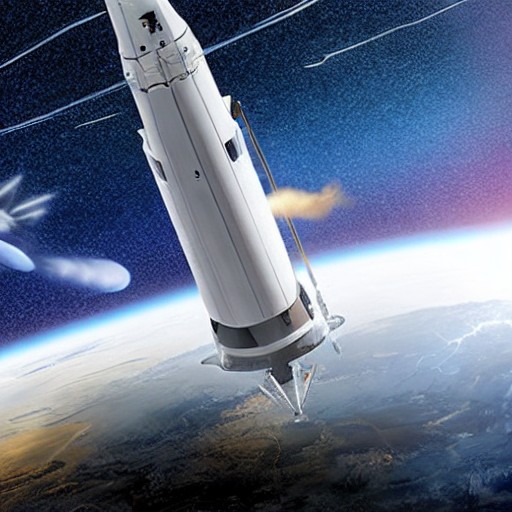
SpaceX has called for improved data-sharing among satellite operators to mitigate the risk of near-misses and collisions in orbit, where its Starlink constellation now numbers over 11,000 satellites. Michael Nicolls, SpaceX’s vice president for Starlink and xAI’s president, highlighted the potential for a self-perpetuating cycle of debris generation, citing the vast number of planned megaconstellations from major players like SpaceX, Amazon and China.
While the risk of a collision on any given day remains low, the law of large numbers suggests that as more satellites populate low-Earth orbit, the chances of a catastrophic collision increase. Current space traffic management is largely up to individual governments and companies, with no global regulations requiring the broadcasting of satellite locations or maneuvers.
As more megaconstellations come online, the challenge of coordinating and managing a complex ecosystem of satellites looms. The absence of a unified approach to space traffic management could lead to a dangerous accumulation of space debris, with potentially devastating consequences for space travel and operations.
For now, SpaceX and other operators continue to de-orbit their rockets and satellites at the end of their missions to prevent additional debris, but the long-term viability of this approach remains uncertain. The future of space is in the balance, and better coordination is essential to avoid the cosmic equivalent of a traffic jam.