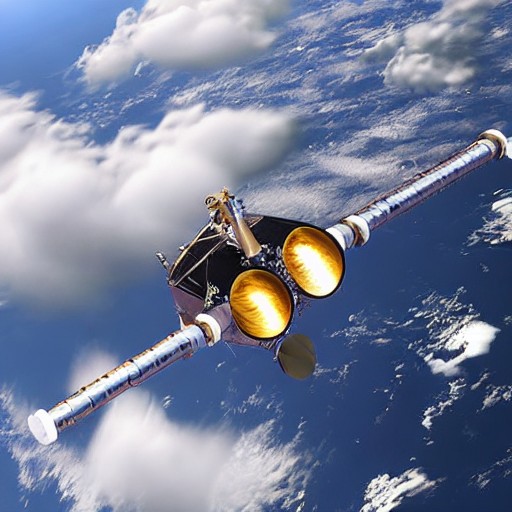
The world's largest retailer is now the second-biggest satellite manufacturer, with 1,000 satellites already built for its space Internet constellation, Amazon Leo. The company aims to launch its first commercial service by the end of the year, challenging SpaceX’s Starlink for a slice of the burgeoning satellite broadband market.
Amazon's push into space comes as the tech giant seeks to diversify its business beyond its e-commerce roots. With a team including former Starlink leader Rajeev Badyal, Amazon hopes to offer high-speed internet from low-Earth orbit, promising services to businesses and consumers alike.
The project, codenamed Leo, has already made significant progress. The company’s Kirkland, Washington factory is ramping up production, capable of building a handful of satellites every day. The upcoming launch on the Vulcan rocket will deliver more of these satellites into orbit, bringing Amazon closer to its goal of global coverage.
While the market for satellite broadband is growing, Amazon faces stiff competition from SpaceX, which has already launched thousands of satellites as part of its Starlink initiative. Amazon Leo will need to show that its services are reliable and cost-effective to compete in this crowded market.