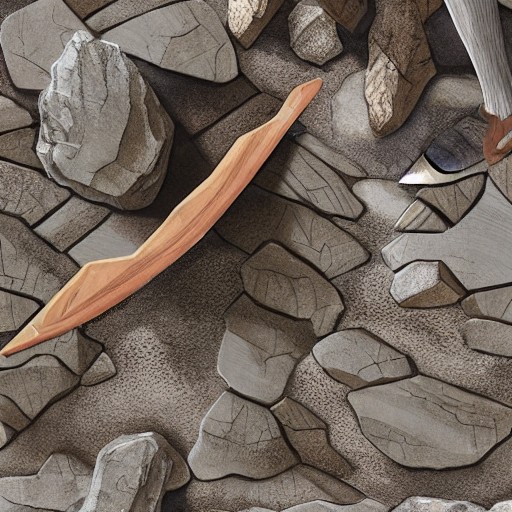
The Stone Age just got a little more interesting. In a groundbreaking study, Spanish archaeologists have uncovered an impressive collection of 597 wooden Neanderthal tools, preserved in stone at a site in Catalonia. These tools, ranging from spears to shelters, reveal a more nuanced picture of Neanderthal life than previously known.
Unlike the water-logged wooden weapons typically found, these tools come from a living area, hinting at a broader range of activities beyond hunting. M. Gema Chacón, an archaeologist from the Catalan Institute, notes that the abundance of wooden tools suggests woodworking was a common practice for Neanderthals, challenging our preconceived notions of their capabilities.
The Neanderthal tools found at Abric Romaní are a testament to their ingenuity. From hollow spear heads to intricately shaped clubs, the variety of tools indicates that these early humans had a sophisticated understanding of woodworking. The preservation technique, where mineral-rich water coated the wood, leaving behind detailed molds, is a rare find in the archaeological world.
The implications of this discovery are significant. It not only adds depth to our understanding of Neanderthal life but also challenges the long-held view that they were less advanced than Homo sapiens. This find could lead to a reevaluation of Neanderthal capabilities and their place in human prehistory.