A groundbreaking collaboration in China has developed a tool that allows natural language instructions to design proteins with desired functions. This could democratise protein design, making it accessible to non-experts. However, the success rate remains questionable. Meanwhile, Hugging Face has unveiled a similar tool on the DNA level, indicating a trend towards more user-friendly scientific tools.
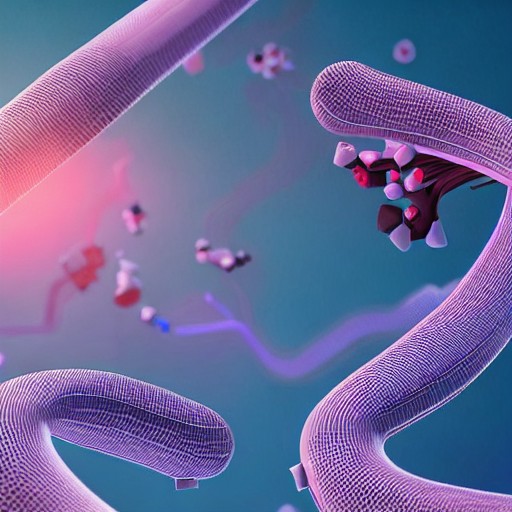
The process involves specifying constraints, such as binding to a molecule or specific amino acid arrangements. An AI generates a protein shape that meets these constraints, followed by a second tool populating it with the correct amino acid sequence. This two-step process ensures the protein folds correctly.
The implications are vast. With these tools, researchers might speed up the development of new proteins without the need for deep expertise in protein structure. This could lead to breakthroughs in medicine, materials science, and beyond. However, the road from design to functional protein is still bumpy.
While the success rate is not yet stellar, the potential for innovation is immense. As these tools become more refined, they could change the way we approach scientific challenges, making them more accessible to a broader audience. The future of science might be more like coding a vibe into a protein, rather than understanding the complex dance of amino acids.