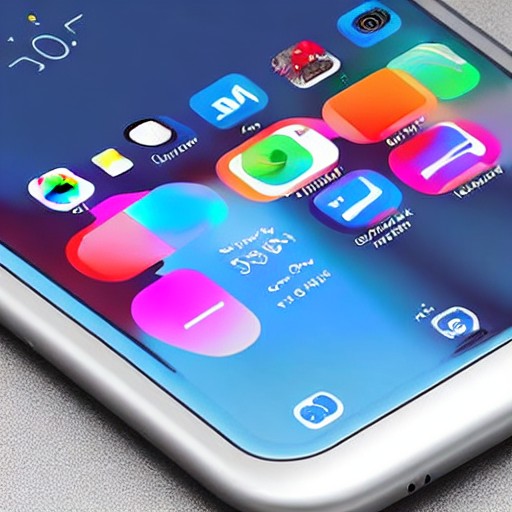
Apple’s most divisive interface design, Liquid Glass, has finally found its niche on the iPhone Duo. A journey from glossy obsessions to clarity, Liquid Glass now allows for easier navigation and clearer content, thanks to a more adaptive design. As Apple’s hardware and software continue to integrate, the duo’s wider display and landscape mode offer a seamless experience, making Liquid Glass a fitting companion for the new design era.
With the Liquid Design slider in Settings, users now have the choice to decide their preferred look, adding a layer of personalisation to the interface. The adaptive nature of the interface, where buttons grow into menus and controls merge, ensures that the user experience is both intuitive and flexible. Apple’s commitment to user choice and functionality is evident in the refinement of Liquid Glass, making it a more enjoyable and accessible feature.
The iPhone Duo’s passport-shaped display and its ability to automatically switch to landscape mode, echo the iPad Mini’s design, creating a familiar and cohesive user experience. Apple’s design team has managed to create a design language that is both fluid and functional, making Liquid Glass a perfect fit for the Duo. This adaptation proves that what once seemed like a misstep can evolve into a cohesive and practical solution.
As Liquid Glass matures, its presence on the iPhone and other devices has become less about visual spectacle and more about usability. The design is now more consistent and less prescriptive, allowing content to take centre stage. On the Duo, Liquid Glass’s adaptability ensures that essential controls are always accessible, enhancing the overall user experience. With this iteration, Apple is not only improving the aesthetic but also the functionality of its devices.