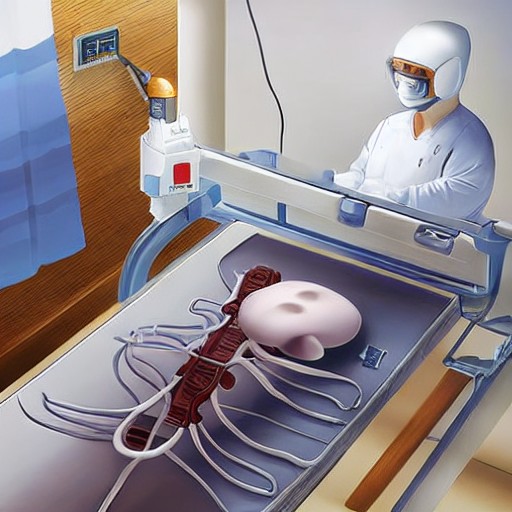
A biotech founder has trained an AI agent to perform brain injections on a live mouse, marking a step towards AI’s integration into laboratory research. The experiment, conducted by Gabriel Ocana Santero, CEO of Exin Therapeutics, highlights the potential of AI in scientific procedures but also raises questions about safety and reliability.
The AI was initially hesitant, suggesting it might stop midway through the surgery, but ultimately proceeded. The experiment, however, wasn’t without hiccups, including a technical glitch that delayed the procedure. While the AI’s performance was impressive, the team is still testing other models to determine which performs best.
Despite the challenges, the experiment demonstrates the potential for AI to assist in complex tasks, such as brain surgery. However, human oversight remains crucial, especially when dealing with live animals. The team is cautious about moving to human subjects, stating that a mistake could have serious consequences.
The experiment also highlights the ethical considerations involved in integrating AI with laboratory equipment. As AI becomes more sophisticated, it’s important to ensure it operates within strict safety guidelines to prevent accidents and ensure the welfare of animals used in research.






