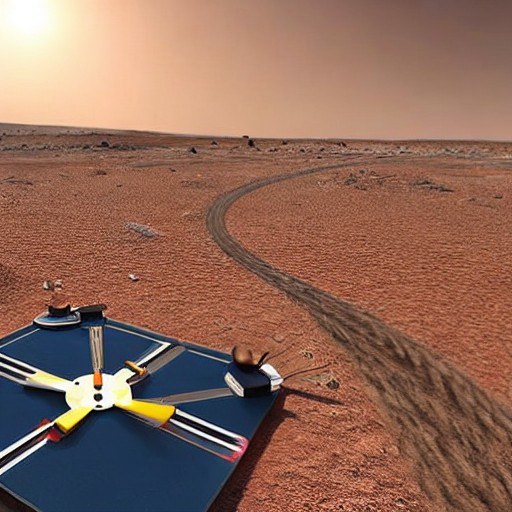
In 2022, a fragment of Mars was unearthed in the Sahara Desert, revealing secrets about the Red Planet’s watery past. Weighing just two pounds, this rock, named Teghaza 001, is one of the oldest known Martian samples, dating back at least 4.1 billion years. It provides unique insights into the early geological and environmental conditions on Mars.
Unlike other Martian fragments, Teghaza 001 contains apatite crystals that preserve chemical signatures of interactions between the planet’s interior and its ancient water.
The findings suggest that the exchange of materials between deep Martian magma and surface water occurred early in the planet’s history, hinting at a more dynamic and possibly habitable environment.
While Mars is now cold and barren, this meteorite offers tantalizing clues about its once watery past. The story of how Mars transitioned from a potentially hospitable planet to the desolate world we see today remains a mystery, fueling the drive for future missions to the Red Planet.
Sometimes, science delivers answers in the most unexpected places, and this meteorite is a prime example of serendipity in scientific discovery.






