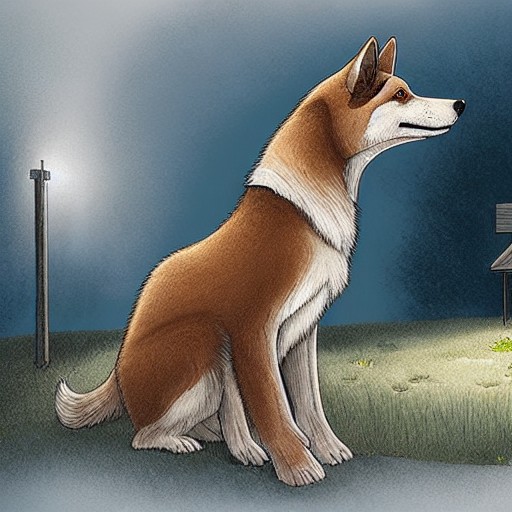
The dogs living near the Chernobyl disaster site have a unique genetic profile, but researchers are unsure whether radiation or other factors are driving this change.
The recent study, published in the scientific journal Genes, compared the DNA of dogs living in the exclusion zone to those in the city of Chernobyl, revealing that random chance alone could not explain the differences. The researchers suggest that natural selection may be at play, with certain genetic differences possibly helping the dogs cope with environmental stress.
Not only are the dogs evolving, but some genomic regions under selective pressure are associated with functions such as DNA repair, immunity, and cell survival. These variants likely existed among local dogs but became more common over the past 40 years. However, it remains unclear which environmental factors favored these variants and whether they provide any specific advantage.
The researchers also note that the dogs have faced other selective pressures since the nuclear meltdown, including Ukraine’s harsh winters and other pollutants. Despite the challenges, the findings highlight the resilience of nature to catastrophic events caused by humans.






