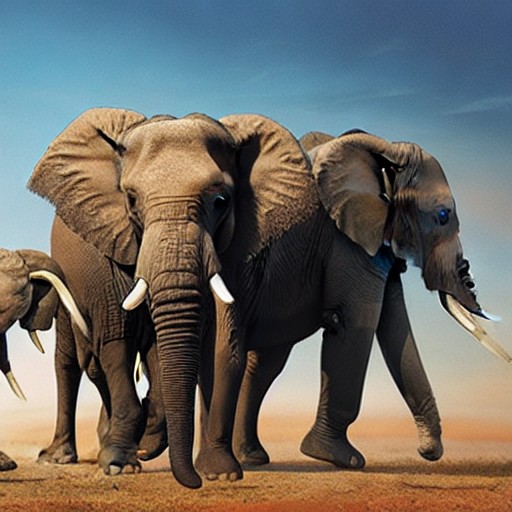
A new study suggests that the complex societies of elephants, long thought to be resilient, can fracture when steady losses accumulate over time. Behavioral ecologist Anastasia Madsen and her team found that in Udawalawe National Park, Sri Lanka, once losses began outpacing newcomers, the elephant society didn’t just shrink—it split.
The park, created in the 1970s around a reservoir, originally attracted large elephant herds due to abundant food. However, without regular fires and clearing, invasive plants like lantana overtook the area, creating impenetrable thickets that offered little food for elephants. This led to fewer calves reaching adulthood, and the park stopped attracting elephants from outside, causing the society to fracture.
The findings have implications for human societies, as they demonstrate that even robust communities can face collapse under persistent pressure. As ecologist Shermin de Silva notes, ‘The forest is slowly coming back, but the elephants are not coming back in the same way.’
In a world facing ongoing environmental challenges, understanding the limits of resilience in elephant communities could provide valuable insights. The study highlights the importance of preserving not just species, but the ecosystems that support them.






