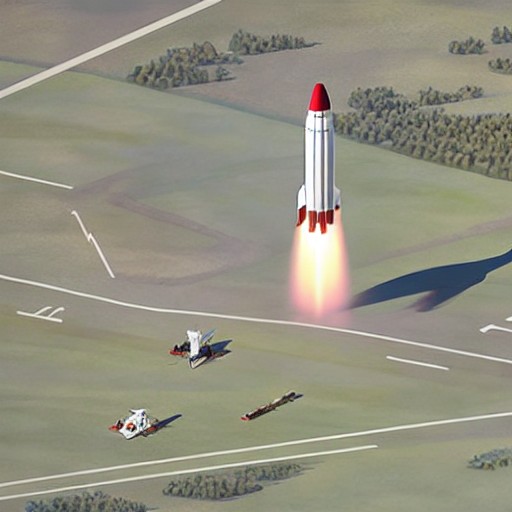
United Launch Alliance (ULA) has announced that the failure of its Vulcan rocket during a recent launch was due to inadequate fuel supply to the engines, not the engines themselves. According to ULA, the initial integrated review of the flight data from the Leo 1 launch anomaly revealed that the low booster thrust was the result of insufficient fuel flow from the vehicle to the BE-4 engines. This development brings some relief to the US aerospace community, particularly to Blue Origin, which uses a similar engine for its New Glenn rocket.
The revelation that the BE-4 engine was not the issue after all is significant. Following a catastrophic failure of the New Glenn rocket in May, Blue Origin had undertaken extensive retrofits, including for the Vulcan missions. These findings suggest that the retrofit was not the cause of the Vulcans failure, allowing Blue Origin to move forward with its return-to-flight mission for New Glenn, potentially as early as January.
The investigation into the Vulcans failure highlights the complex nature of space launches, where even small issues can have significant consequences. ULA and Blue Origin have been working together to identify the problem, underscoring the collaborative spirit in the aerospace industry.
For humanity, this development signifies a step towards resolving a critical issue in space travel. While the Vulcans failure may have been a setback, the resolution points towards a more resilient and robust approach to rocket design and maintenance.






