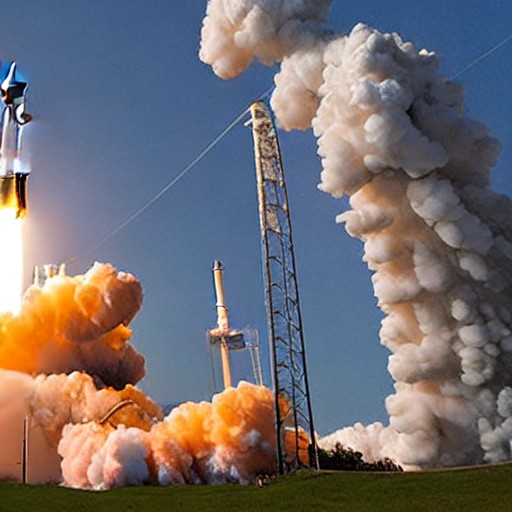
A European Ariane 6 launcher propelled 36 satellites into orbit for Amazon’s Leo broadband constellation on Tuesday, marking a crucial turnaround for the company. Following a loss of 40 satellites earlier this month during a United Launch Alliance (ULA) Vulcan rocket failure, this launch brings Amazon’s Leo fleet to 432 satellites. With ULA’s Vulcan now grounded, Amazon has accelerated several planned Falcon 9 launches from SpaceX, its new primary launch provider. The next launch is scheduled for December, with more follow-up launches planned in quick succession.
Five years ago, Amazon cast a wide net, securing rides on 108 flights with every available medium- or heavy-lift rocket in the West, aimed at deploying 3,232 satellites. As of Tuesday, 17 of those flights have been completed, with one mission failure. The launch vehicles, including ULA’s Vulcan and Europe’s Ariane 6, faced development delays, with New Glenn grounded since May due to an explosion, and ULA’s Vulcan sidelined after a misfire.
Amazon’s shift to SpaceX underscores the unpredictable nature of space launches. While the company aims to fill the void left by ULA’s Vulcan, it remains to be seen if SpaceX can meet the accelerated demand. The ongoing saga highlights the challenges and uncertainties of space ventures, where even the best-laid plans can be thwarted by technical setbacks.






