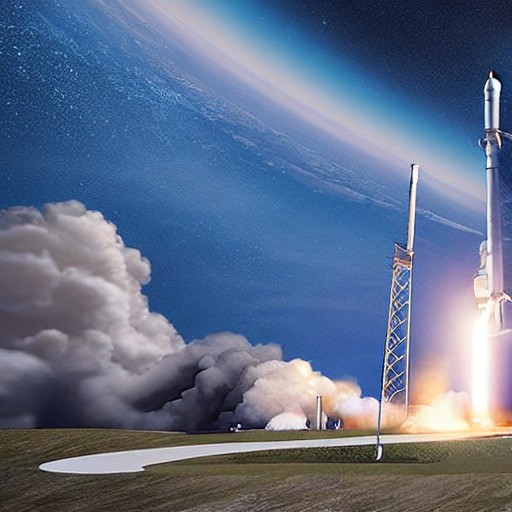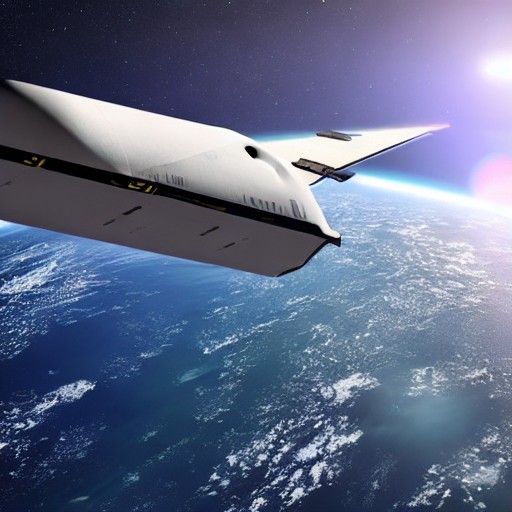
US regulators have granted SpaceX permission to launch a staggering one million satellites into orbit, aiming to establish the first ever ‘space data centres’. The ambitious Starmind project, championed by Elon Musk, seeks to harness sunlight to power these satellites, enabling them to process vast amounts of AI data and transmit results back to Earth.
While FCC Chairman Brendan Carr hailed the move as a bold new frontier for American ingenuity, critics are not so charmed. Amazon has branded it a ‘lofty ambition’, while astronomers warn of the project's potential to significantly obstruct the night sky. The move comes amid increasing resistance to terrestrial data centres, with experts linking their proliferation to electoral setbacks for the Republicans.
SpaceX argues that space-based data centres offer unparalleled cost and energy efficiency, especially for AI computing demands that exceed current terrestrial capabilities. However, Prof Sir Martin Sweeting, founder of Surrey Satellite Technology Ltd, questions whether the concept makes sense at such a large scale, citing the challenges of establishing reliable laser links from the ground to these satellites.
The American Astronomical Society and Earthjustice have jointly expressed dismay at the FCC’s decision, citing the potential impact on decades of federal investment in astronomical facilities. The proposed constellation, involving larger and more numerous satellites, could render the night sky considerably less dark and less observable.
Despite the controversy, SpaceX remains undeterred, with plans to launch its first Starmind satellite next year. The project, which mirrors the existing Starlink network, could indeed provide a greener alternative to traditional data centres, but the scale of the ambition raises significant questions about feasibility and impact.