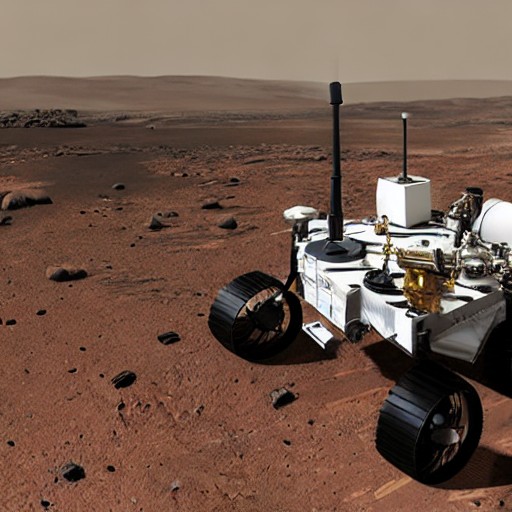
NASA has confirmed that SpaceX will launch the European Space Agency's Rosalind Franklin Mars rover on a Falcon Heavy rocket from Kennedy Space Center, Florida, possibly as late as 2028. This mission, originally part of Europe’s Aurora programme, has been plagued by delays and changes in partnership.
The saga began when the ESA planned to send its own mobile robot to Mars in 2009, with Russia supplying a Soyuz rocket for the launch. However, this plan faltered as budget constraints, both at NASA and within the ESA itself, led to a shift towards a joint US-European mission in 2009.
Initially set for 2018, the ExoMars programme was supposed to see a European rover and an American counterpart land on Mars simultaneously. An orbiter designed to detect methane in the Martian atmosphere was also part of the plan, with NASA agreeing to launch both missions using Atlas V rockets. However, when Obama’s administration cancelled most of NASA's participation in 2012 due to budget issues, the programme faced further delays.
Despite these obstacles, NASA has now stepped up to ensure that Europe’s ambitious mission can still reach Mars, demonstrating the importance and resilience of international cooperation in space exploration.