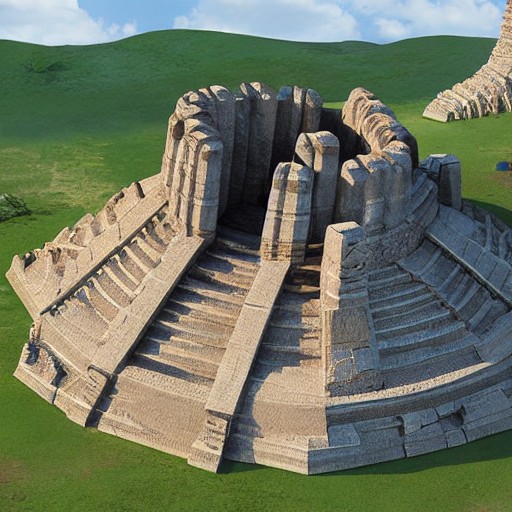
Archaeologists in northeastern Romania have uncovered the remnants of a 'megastructure,' suggesting that the Cucuteni-Trypillia culture built communal assembly halls or administrative centers. At 350 square meters, this structure dwarfs individual dwellings from the same period.
The building’s prominent position near the settlement entrance hints at its significance. However, the absence of grinding stones and statuettes raises questions about a possible shift away from hierarchical systems within the community.
Researchers have long puzzled over why these early cities lack palaces or rich burials, despite housing thousands of people in similar-looking homes. This find adds another layer to our understanding of how ancient societies organized themselves.
The paper published by PLOS One notes that only five such structures have been investigated so far. Further study could reveal more about the social structure and beliefs of this enigmatic culture.