The third flight of Blue Origin’s New Glenn rocket saw its first successful reflight of an orbital-class booster, a significant milestone for Jeff Bezos’ company. However, the launch was not without its hiccups; the rocket's upper stage failed shortly after it separated from the booster.
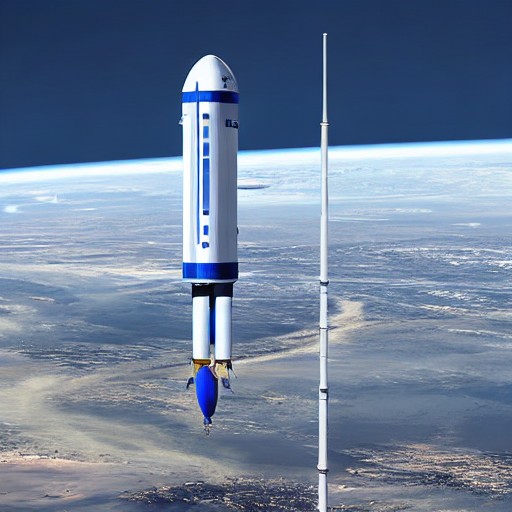
On Sunday, at 7:25 am EDT (11:25 UTC), the 321-foot-tall New Glenn ignited its seven methane-fueled BE-4 engines and began a steady ascent. After just over two minutes, the first stage detached, guiding itself towards Blue Origin’s landing platform in the Atlantic Ocean. Despite the success of the main booster's reusability, the upper stage encountered difficulties.
New Glenn is a complex beast: it stands three times taller than Blue Origin’s smaller New Shepard and flies higher, faster, making reuse more challenging. The company plans to reuse engines from previous launches on future missions, showing confidence in its ability to streamline space operations. This launch marks an important step towards reducing the cost of access to space.
For humanity, this achievement is a testament to the potential of reusable rockets. SpaceX has proven that reusability can be quick and frequent, but Blue Origin's New Glenn aims to bring about a faster rate of launches through more robust reuse strategies. The upper stage failure underscores the technical challenges involved in space flight, especially at such high altitudes.