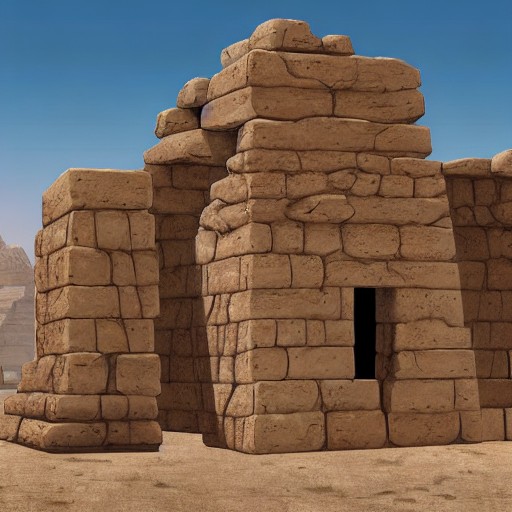
An Egyptian archeological mission has unveiled a fascinating temple complex at Tell el-Farama, the site of ancient Pelusium in northern Sinai. The ruins feature a large circular basin, surrounded by drainage channels and a central plinth that may have held a statue of the local deity Pelusius.
Initial findings suggested the structure was used for civic purposes, but recent excavations reveal it served religious rituals instead. Stratigraphic evidence places its construction in the 2nd century BC and continued use through the 6th century AD, making it a melting pot of Egyptian, Greek and Roman designs.
Pelusium itself, founded around 800 BC, was pivotal—a fortress and customs post on Egypt’s border with Asia. Later, under Roman rule, it became a provincial capital. The identity of Pelusius remains mysterious, only mentioned in Plutarch's writings, making this temple a rare insight into an ancient cult.
The complex spans 2000 years of history and diverse cultures, offering a rich tapestry for archaeologists to unravel. It stands as a testament to the enduring mystery that lies beneath Egypt’s sands.