To forecast the future of our planet's northernmost waters, researchers are delving into the past by studying sediment cores from beneath the seabed. In August 2025, Jochen Knies and his team aboard the research vessel Kronprins Haakon encountered unusually thin ice, a stark contrast to previous journeys in 1996.
For decades, satellite data has shown an alarming decline in Arctic sea ice; by 2025, summer ice cover had shrunk by over 40% since the late 1970s. If this trend continues, it's possible that future summers could see no ice at all.
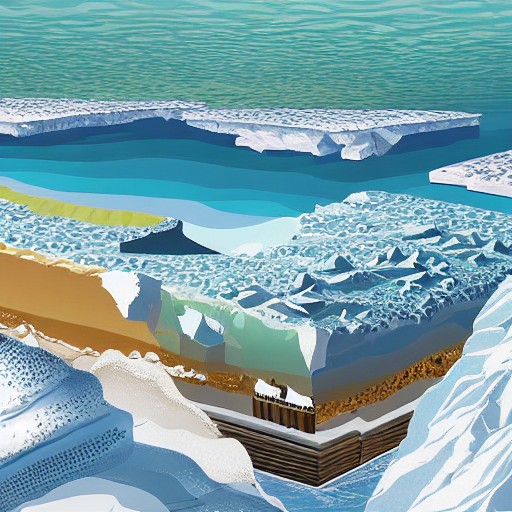
The expedition aimed to understand whether ice-free conditions prevailed in recent geological history and how losing sea ice affects marine ecosystems and global climate systems. By analysing sediment cores up to 22 meters deep, scientists hope to uncover the secrets of past climates and apply them to future projections.
With a combination of dating techniques including magnetization measurements and radioactive decay analysis, researchers seek to determine when the Arctic was last ice-free. These insights could improve climate models, helping us prepare for a 'blue Arctic' and its impacts on marine life, ocean currents, and weather patterns in Europe and North America.