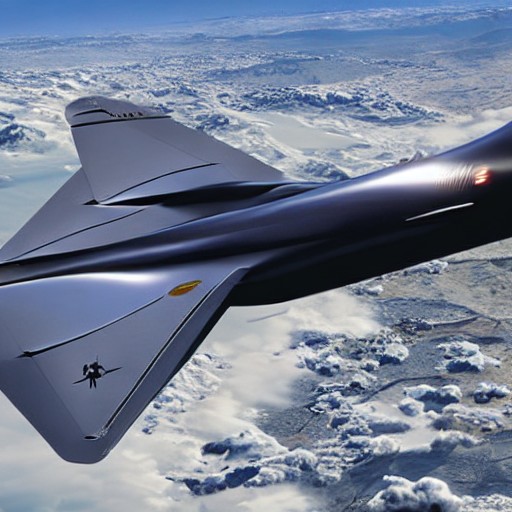
On Thursday, Virgin Galactic unveiled its next-generation spaceship, a move that marks a significant step—or perhaps a mere pause—in the race to commercialize suborbital flights.
The company’s journey to space has been long and fraught. Founded by Sir Richard Branson in 2004, it was the first to offer civilian trips beyond Earth’s atmosphere in December 2018. In 2023, Virgin Galactic completed six successful spaceflights with its VSS Unity spacecraft before abruptly ceasing operations in June 2024.
Now, with a new spaceship on display, the question looms: can Virgin Galactic turn the page from loss to profit? Suborbital flights remain an expensive and risky business, even when compared to more straightforward commercial ventures. Blue Origin’s Jeff Bezos and Virgin Galactic’s Richard Branson both made history within weeks of each other in 2021, but only time will tell if their ventures will achieve sustained profitability.
As humanity continues its quest for the stars, this latest development from Virgin Galactic serves as a reminder that space tourism is not just about breaking records; it’s also about managing expectations and staying financially afloat.