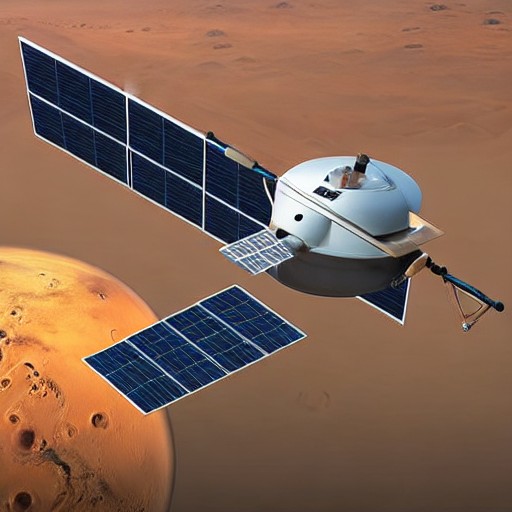
A little over three years since NASA’s Ingenuity helicopter completed its groundbreaking mission on Mars, engineers at the Jet Propulsion Laboratory in California are gearing up for an even more ambitious challenge. The next-generation Martian rotorcraft, part of the upcoming SkyFall mission slated for launch as early as late 2028, will ferry heavier payloads over longer distances through Mars’s thin atmosphere.
Ingenuity was a resounding success, proving that air can indeed be used to travel vast distances on another world. The dual-bladed helicopter managed 72 flights and surpassed its initial goals, showing scientists new ways to explore other planets. The technology it demonstrated paved the way for SkyFall’s larger and more capable helicopters.
The breakthrough came from a partnership between JPL and AeroVironment, who developed Ingenuity. Their recent work on new rotor blades has brought the next generation closer to reality. These blades will be essential in navigating Mars's atmosphere, which is only 1% as dense as Earth’s at sea level.
Designing these helicopters for Mars presents unique challenges, including landing them safely after entering the planet’s atmosphere cocooned inside a heat shield. This maneuver requires significant innovation and engineering prowess to ensure that the new craft can operate successfully in such an alien environment.
The SkyFall mission aims to revolutionize how we explore Mars, but with such advanced technology taking time to develop, it may be years before these helicopters take flight on the Red Planet.