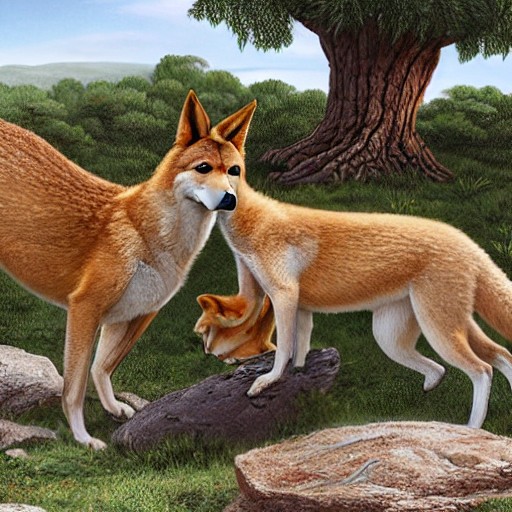
A thousand years ago, the ancestors of today's Barkindji people buried a dingo with the same care and ceremony as they would a human, filling its grave with shells for centuries to come. This reveals that dingoes were valued by ancient Australians in ways previously underestimated.
The dingo was found in Kinchega National Park after its bones started eroding from a road cut. Archaeologists worked alongside Barkindji elders to uncover the grave, which contained an elderly male dingo with signs of arthritis and injuries healed over time, suggesting he had been cared for by his community.
Generations of Barkindji continued to tend this dingo’s grave, adding shells in a ritual act of remembrance. This unique burial site is not only significant because it's the first found so far north and west but also highlights the deep emotional bond ancient Australians shared with their dingoes.
This discovery challenges our understanding of how humans related to non-human animals in prehistory. It shows us that respect and care for all beings, including wildlife, was a central part of Barkindji culture, not just an afterthought or utilitarian relationship as some might assume.