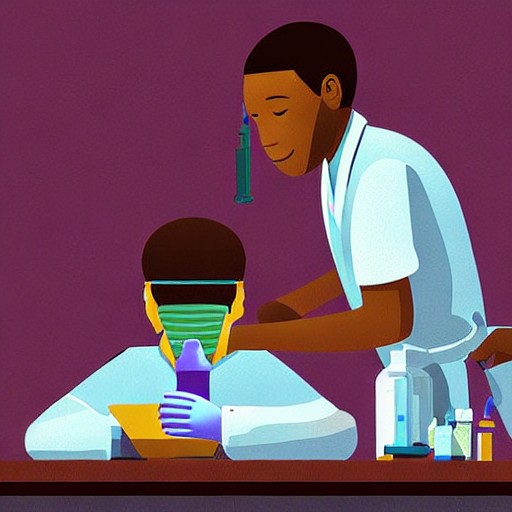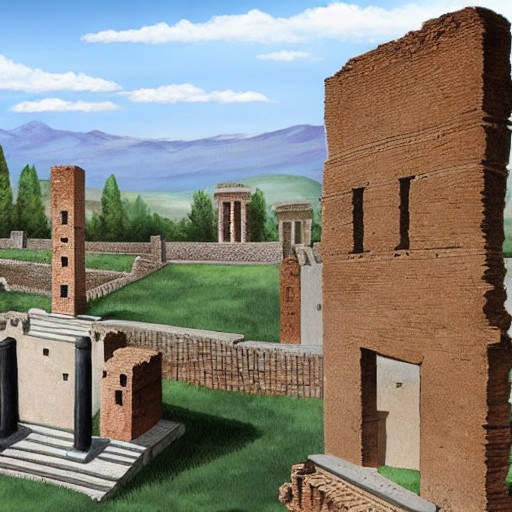
Archaeologists have used advanced CT scans and 3D digital reconstruction to identify one of Pompeii's victims from the eruption of Mount Vesuvius in 79 CE as most likely having been a Roman doctor. The identification was made after analyzing casts of bodies preserved by ancient techniques, including some that date back to the 19th century.
The catastrophic event that befell Pompeii and Herculaneum saw most people perish from asphyxiation due to thick clouds of noxious gas and ash. However, it is believed that at least some victims died instantly from intense heat, with temperatures high enough to boil brains and explode skulls. This discovery adds a new layer to our understanding of the disaster's immediate impact.
In the 19th century, archaeologist Giuseppe Fiorelli devised a method to create casts of frozen bodies by pouring liquid plaster into voids left by decayed soft tissue. Over one thousand bodies have been discovered in Pompeii’s ruins, with 104 casts that remain preserved. Restoration efforts on eighty-six of these casts began around ten years ago and involved taking CT scans and X-rays to determine the presence of complete skeletons.
The analysis revealed significant manipulation of the casts over time, which included altering some features or adding metal rods for stabilization, as well as frequently removing bones before casting. Further ancient DNA analysis on four victims from the 'House of the Golden Bracelet' found all were male and not genetically related, challenging previously held narratives that may have reflected cultural biases.