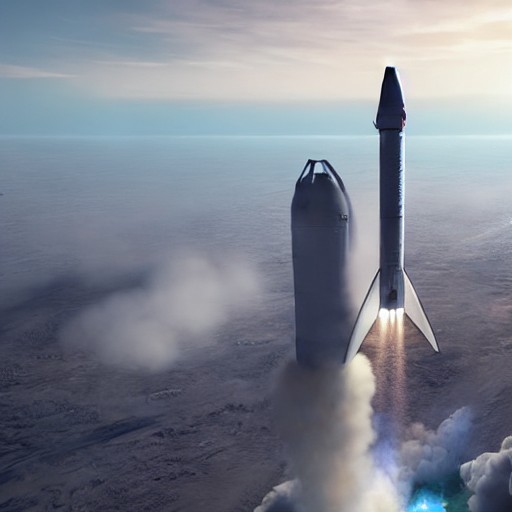
SpaceX has launched its latest and most powerful Starship rocket, marking a significant milestone in the development of its interplanetary ambitions. The third version of the iconic spacecraft took to the skies from SpaceX’s Starbase facility in Texas, albeit with some hiccups.
The 407-foot behemoth soared into the sky at 5:30 p.m., but the booster failed to execute a successful return to Earth, tumbling into the Gulf of Mexico and likely exploding. Meanwhile, Starship lost one of its Raptor engines during ascent, though it managed to continue on its trajectory toward the Indian Ocean.
While this test launch didn’t go exactly as planned, it was crucial for SpaceX’s mission. The company is gearing up for an Initial Public Offering (IPO) rumored to raise $75 billion, which will fund further developments and pay off debts related to Musk’s ventures. This could be the last Starship test without a stock market reaction.
Still, the upgrade from previous versions of Starship – featuring third-generation Raptor engines with enhanced thrust and simplicity – signals progress toward SpaceX's goal of making life multi-planetary. With plans for NASA missions to the moon and eventually Mars, this rocket remains central to Elon Musk’s grand vision.
The latest version marks a significant leap since October 2025; despite earlier setbacks, including an explosion during testing in November, SpaceX pushed forward with its ambitious launch schedule.