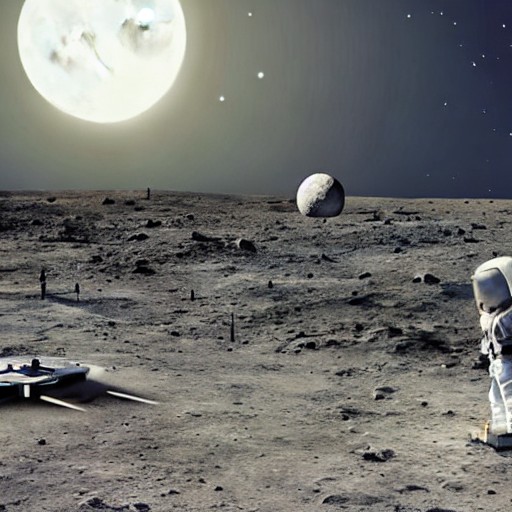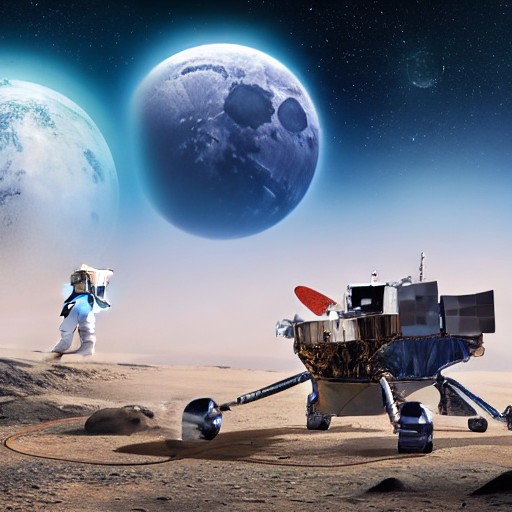
NASA has unveiled its ambitious plan for establishing a lunar base at the south pole. The phased approach spans over a decade and involves numerous robotic missions before human habitation becomes a reality.
Phase one, from 2026 to 2029, sees NASA and private partners testing critical technologies through at least 25 missions, including landings and rover deployments. Key among these is the test of Blue Origin's Blue Moon Mark 1 Endurance module later this year.
Phase two, starting in 2029, focuses on establishing semipermanent infrastructure, with up to 60 tons of cargo being delivered through 24 missions. This phase aims to install advanced energy systems and initial habitat elements.
The final phase envisions durable centers with constant personnel turnover, including habitable modules, reliable power systems, and logistics networks for crew transportation and cargo delivery. NASA predicts a yearly shipment of about 38 tons of supplies.
Administrator Jared Isaacman highlighted the learning opportunities involved, stating that every mission will contribute to mastering skills necessary for living in extreme environments. The project is not only about science but also technological advancements beneficial here on Earth.