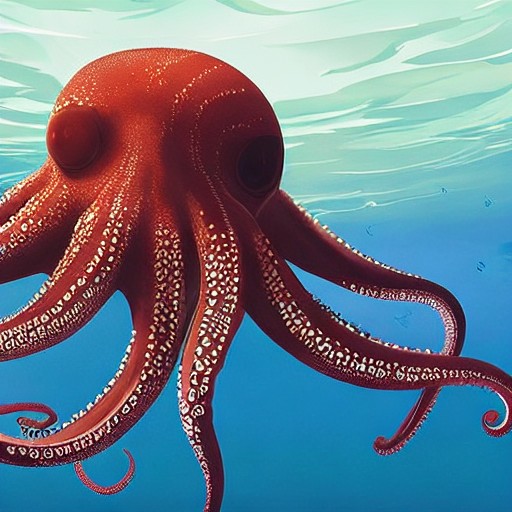
A new species of tiny blue octopus, Microeledone galapagensis, has been discovered in the Galápagos Islands. The octopus, which can fit in the palm of your hand and lives at depths of 1,773 meters, was first spotted during a deep-sea expedition in 2015.
Marine biologists used remote-operated vehicles to explore the ocean floor near Darwin Island. The discovery puzzled researchers until they could conduct a detailed analysis using X-ray computed tomography (CT), allowing them to create a 3D model of the octopus, both internally and externally.
The study highlights the importance of such deep-sea expeditions in understanding unexplored ecosystems. 'If you took all the land on Earth and pieced it together, you would not cover the Pacific Ocean,' said lead author Janet Voight. 'The oceans are so big, and there’s so much left to explore.'
The discovery of this new species serves as a reminder of how much we still don't know about life in the deep sea and why protecting these environments is crucial.