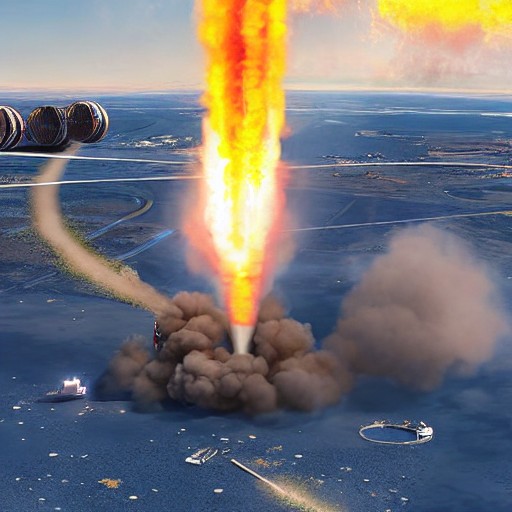
On Thursday evening, Blue Origin's ambitious New Glenn rocket met a spectacular failure during a static fire test at its Florida launch site. The first stage of the massive super heavy-lift rocket, powered by seven BE-4 engines and fueled with methane, exploded in a massive fireball above LC-36A, causing extensive damage to the company’s launch facility.
No one was injured, but the failure is being seen as the worst disaster in Blue Origin's history, which dates back to 2000. According to Jeff Bezos, CEO and founder of Blue Origin, it's 'too early to know the root cause but we’re already working to find it.' The company plans to rebuild whatever needs rebuilding and get back to flying, stating that it is 'worth it.'
The failure occurred during a static fire test ahead of NG-4. Sources say the problem appeared to start in the engine section of the vehicle. While Blue Origin has not yet identified the cause, this incident echoes a previous disaster – the Soviet Union's N1 rocket, which was destroyed during a launch attempt in 1969.
Interestingly, this event is reminiscent of SpaceX’s recovery from a significant pad failure in 2016 when its smaller Falcon 9 rocket caused extensive damage to Space Launch Complex-40. It took SpaceX over a year to rebuild the facility. Blue Origin faces similar challenges but with a larger and more complex launch site.
The incident serves as a stark reminder of the risks involved in space exploration, with all eyes now on how Blue Origin will navigate this setback and ensure safer future launches.