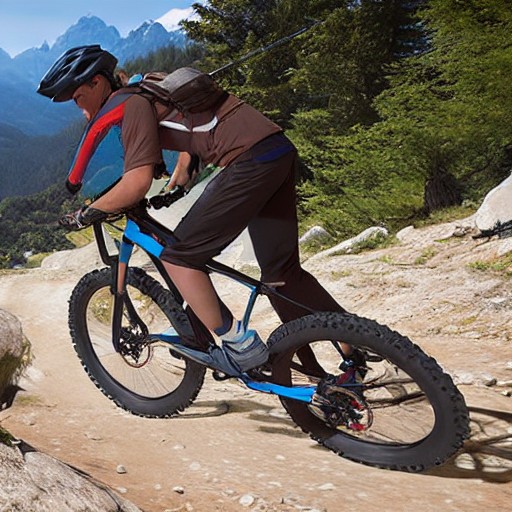
The trouble with aging is that rocks don’t soften over the years. But bike suspension continues to improve, making mountain biking less painful and more enjoyable.
Garage mechanics have been tinkerering since 1888, but full-suspension bikes really took off in the 1990s thanks to brands like Specialized, Trek, and Santa Cruz. Now, with 200mm travel front shocks, today’s bikes handle technical features as well as massive jumps.
Vernon Felton from Canyon explains that suspension works by compressing a spring when encountering obstacles, then using a damper to control the rebound. Different styles of mountain biking require different amounts and types of suspension. Cross-country racers value lightness over comfort, while trail and downhill riders prioritise speed and smoothness.
E-bikes add a twist: their motors introduce torque that impacts suspension performance. Specialized, for instance, custom-tunes forks to handle the extra weight and power, but some specially modified forks are beefier to cope with greater system loads.
Consumers should look for well-tuned eMTB suspensions that can handle the added weight of batteries, which usually weigh between 7 to 11 pounds. The lighter the battery, the better.