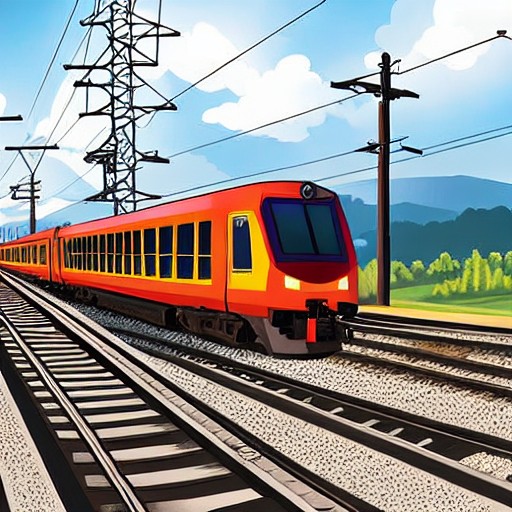
The phone signal on trains in Britain is not strong enough for basic internet activities like scrolling social media or streaming videos most of the time, according to a report from Ofcom. The regulator found that only 17% of the time did Vodafone meet its standards for 'good performance,' while EE was slightly better at 42%. Other networks like Three and O2 performed even worse.
Ofcom's threshold for 'good performance' is a download speed of five megabits per second, an upload speed of 1.5 megabits per second, and a response time of 50 milliseconds – the minimum needed to make video calls or scroll social media comfortably. However, these networks failed to reach this standard most of the time.
Mobile UK, which represents major phone providers, highlighted unique structural and capacity challenges in maintaining good train signals. It also called on the government to 'act now' with planning reform and investment. Some local authorities have rejected over 90% of applications for new or upgraded infrastructure in the last five years.
Train wi-fi fared even worse, performing well just 1% of the time due to outdated technology and throttled internet speeds. The government is set to boost train wi-fi by allowing connection to low-earth satellites, a plan expected to cost £57m and be announced this summer.