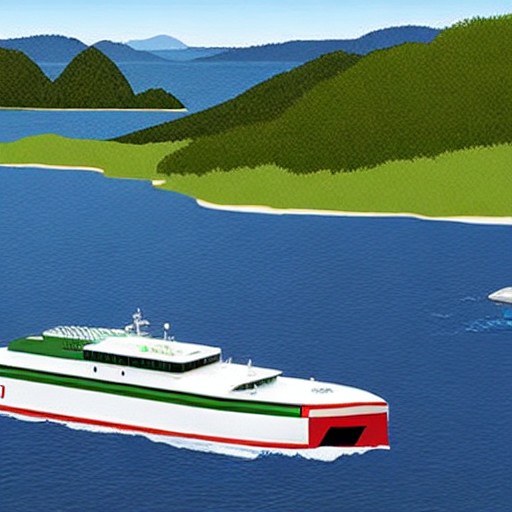
The Harbor Charger, New York state's first hybrid-electric public ferry, is set to revolutionize the city's waterways. This $33 million vessel, faster and more energy-efficient than its predecessor, is expected to cut carbon emissions by at least 600 tons annually. Its debut marks a significant step towards decarbonizing maritime transport.
Historically, ferry services have faced challenges in transitioning to electric power due to fears of 'ferrynoia.' However, the Harbor Charger addresses these concerns with a hybrid-electric system that combines battery power and backup diesel generators. Clare Newman, president of the Trust for Governors Island, emphasizes the importance of showcasing best-in-class technology as a model for other cities.
Across the country, San Francisco Bay Ferry is preparing to launch its first fully electric passenger ferry in 2027, powered by specialized charging floats that draw energy from the city grid. The vessel will offer a more relaxed experience with lounge-style seating and outdoor viewing areas, making it easier for commuters and visitors to enjoy the journey.
The transition to electric ferries is not limited to North America; cities worldwide are exploring various alternatives, including hydrogen fuel cells, wind power, and hydrofoil technology. Denmark’s e-ferry Ellen holds the world record for the longest distance sailed on a single battery charge, while Stockholm’s P-12 by Candela uses underwater wings to reduce energy consumption by 80 percent.
As these electric ferries take to the waves, they represent a significant step towards sustainable maritime transport. Cities are increasingly recognizing the benefits of investing in clean technology for public services, creating a greener future on waterways across the globe.