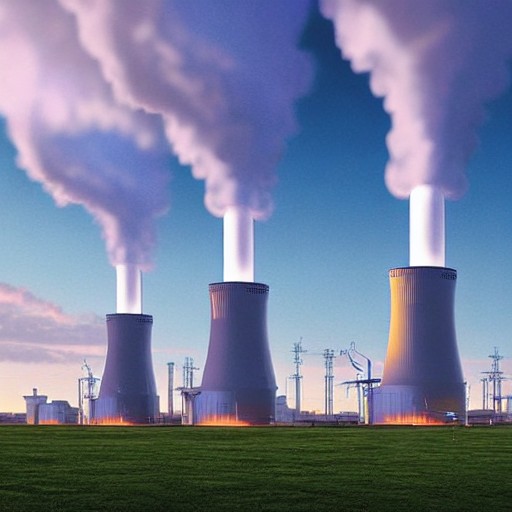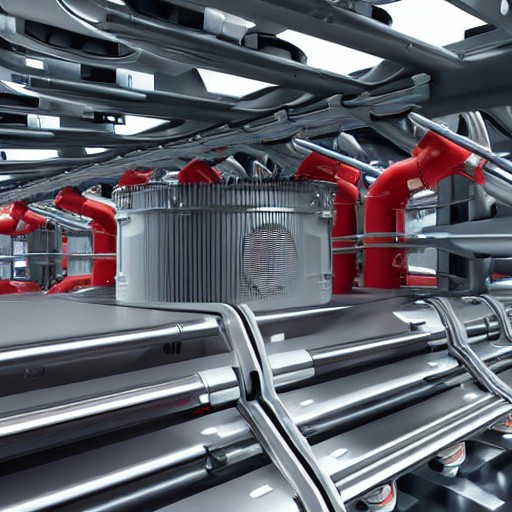
The scientific community is inching closer to harnessing fusion power, with some suggesting we might already be there. Enter Commonwealth Fusion Systems (CFS), a startup that wants us to skip ahead to the future without waiting for ITER’s hot plasmas.
With SPARC, CFS aims to operate a tokamak reactor by next year, potentially decades ahead of schedule. The company is banking on high-temperature superconductors, promising both smaller reactors and faster development cycles. But success isn't guaranteed; detailed uncertainties still need resolving, as highlighted in recent peer-reviewed papers.
These documents outline CFS’s plans for its ARC reactor, detailing current models and potential challenges. While the science is complex, the stakes are high: if successful, fusion could provide clean energy on a vast scale. But even with ambitious timelines, there's no guarantee that SPARC will deliver as promised.
The world watches with bated breath. If CFS can pull off this feat, it might not just change how we power our lives but also the timeline for global decarbonisation efforts. Yet, if they fail, ITER remains the gold standard, and patience will be required once again.