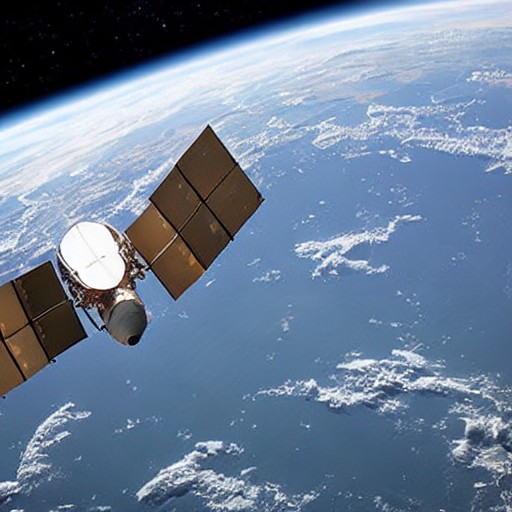
NASA pushed its Deep Space Network (DSN) to the limit during the Artemis I mission, nearly four years ago. The global array of deep space communications antennas struggled with both routine demands from 40 robotic science missions and the extraordinary surge needed for NASA's Orion capsule as it flew around the Moon.
In late 2022, this strain reduced or delayed downlinks from several high-profile science missions, including the James Webb Space Telescope and Mars rovers. Before the first Artemis mission with astronauts onboard, NASA turned to the DSN again for Artemis II. With four crew members on board, the agency's appetite for data was even higher than during Artemis I.
However, the shorter 9-day duration of Artemis II compared to its predecessor, which spent 25 days in space, helped alleviate some communication stress. Additionally, while Artemis I launched 10 small CubeSats into deep space, requiring tracking and telecom services from the DSN, fewer CubeSats were carried on Artemis II.
“We learned a lot on Artemis I,” said Greg Heckler, deputy program manager for capability development in NASA’s Space Communications and Navigation Program. “And we put some new processes in place ahead of Artemis II, mostly focused around coordination and scheduling with all the missions, not just the Orion vehicle itself.”
Heckler reports that these changes worked well, highlighting the DSN's resilience even as it faces increasingly demanding tasks.